
Limitless Possibilities — Consumer Tech Designed Since 2011

0%

Choosing a Portable Bluetooth Soundbar means balancing sound, size, battery life, and everyday convenience. A model that sounds impressive in a showroom may feel bulky on a picnic blanket. Another may fit neatly in a backpack but struggle to fill a small room. The right choice depends on where you will listen, how loudly you need to play music, and what you are willing to carry.

Loudspeaker researcher Floyd Toole describes the broader goal of audio reproduction this way: “The goal of high-quality audio reproduction is to provide the listener with a sound quality that is indistinguishable from the original.” That ideal offers a useful starting point, though portable speakers face real limits in enclosure size and power. Small details matter. Check the soundbar’s weight, stated battery runtime, charging connection, Bluetooth stability, and any water-resistance rating. Treat battery figures as estimates; volume and bass-heavy tracks can shorten playback.

A specification sheet can still mislead. A high wattage number alone does not guarantee clear dialogue or balanced music. Think about the sounds you play most: voices, acoustic guitar, or bass-heavy playlists. Then compare reviews that describe listening conditions, not just feature lists. This guide will help you weigh those trade-offs and spot the details worth checking before you buy. It will not pretend one soundbar suits every listener. That is the honest part.
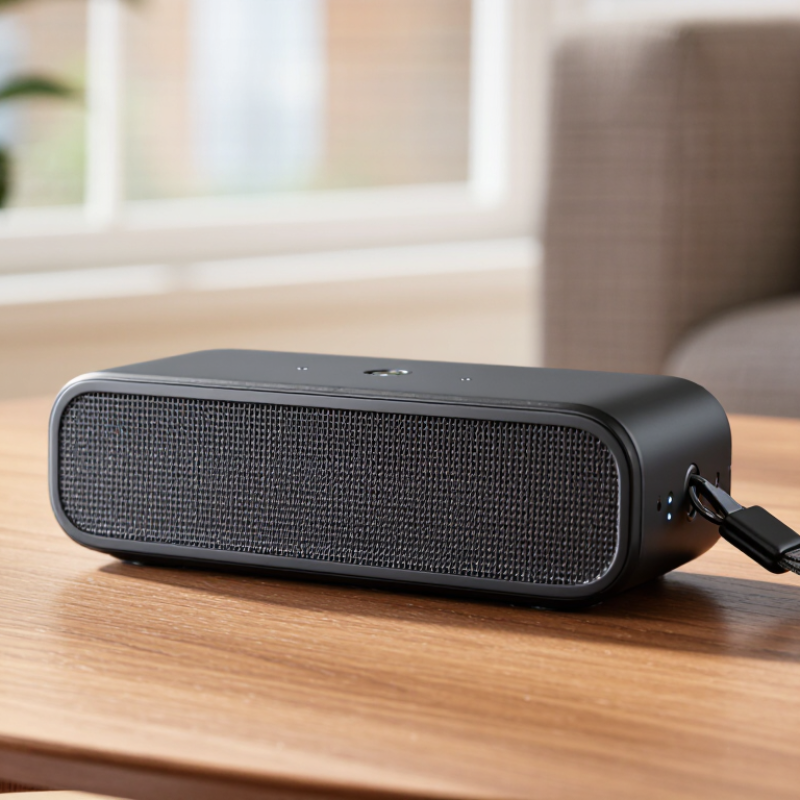
How to Choose a Portable Bluetooth Soundbar?

Identify Your Listening Needs and Typical Use

Before comparing portable Bluetooth soundbars, consider where and how you listen. A speaker used on a kitchen counter has different needs from one carried to a picnic table. At home, note the room size, listening distance, and whether dialogue or music matters more. For films in a small bedroom, clear voices at low volume may matter more than deep bass. Outdoors, sound disperses quickly, so a compact unit may need enough output without sounding harsh. Be realistic about use. Loudness can seem impressive, but it may make quiet listening less comfortable.

Think about your routine, too. Will the soundbar stay beside a laptop, move between rooms, or ride in a backpack? Check its weight, dimensions, battery life, and charging method against that pattern. A long battery rating is useful only if you often listen away from an outlet. Short sessions? Less important. If you plan to use it near a sink or patio, look for clearly stated water-resistance information. Resistant does not mean waterproof. Consider connection stability and controls you can reach without searching through an app. Test speech, familiar songs, and low-volume playback when possible. Your usual playlist is a better guide than one dramatic demo, though your habits may change.

Compare Size, Weight, and Portability Features

When choosing a portable Bluetooth soundbar, treat its measurements as travel details, not marketing decoration. A 40-centimeter body may fit a backpack, yet still feel awkward beside a laptop. Check its depth, grille protection, and whether the ends snag fabric. Weight matters. Under roughly one kilogram is easier for daily commuting; heavier models may suit car trips or patios. That cutoff is personal, not a standard.

Bluetooth SIG’s 2024 Market Update projects annual Bluetooth device shipments will exceed five billion and approach seven billion by 2028. That broad industry forecast shows the scale of wireless technology, but it does not prove a soundbar is easy to carry. Compare battery runtime at moderate volume, charging-port placement, and whether controls remain usable while packed. Small details matter.

Before buying, picture your actual route: a crowded train, a tote bag, or a kitchen shelf. Look for a built-in strap or recessed handle, stable feet, and a case-friendly shape. If possible, carry an object of similar weight for ten minutes. Ten minutes reveals more than a showroom lift. A compact bar can still disappoint when its weight sits far from the grip or its battery drains quickly outdoors. I would prioritize comfortable carrying over shaving a few centimeters off the body.

Check Bluetooth Compatibility and Connection Options

Before buying a portable Bluetooth soundbar, check whether it pairs with the devices you actually use. Look in the soundbar’s specifications for its Bluetooth version and supported audio profiles. Newer devices usually connect with older Bluetooth equipment, but features and sound quality can vary. Codec support may also affect playback, though many product listings explain this poorly. Don’t assume a familiar pairing screen guarantees smooth use. Try connecting your phone or tablet in the shop, if possible. Check how quickly the soundbar reconnects after you switch it off and on. Small detail. It matters during everyday use.

Bluetooth is convenient, but a cable can help when wireless pairing fails or a screen adds noticeable audio delay. Check for a 3.5-millimeter input, and confirm that your device has a matching output or adapter. USB-C ports need special attention: some carry audio, while others only charge the speaker. Read the specifications rather than guessing from the connector shape. Multipoint pairing can keep a phone and tablet connected, but not every model supports it. Also consider the room. Walls and nearby wireless devices can shorten the practical range, even when the advertised distance looks generous. A few extra connection options are useful, though they may add weight or clutter. That trade-off is easy to overlook.

Evaluate Sound Quality, Battery Life, and Durability

A portable Bluetooth soundbar should sound clear at the volume you actually use, not only during a quick showroom demo. Play a familiar podcast, then a song with soft vocals and steady bass. Listen for speech that stays crisp when music gets busy. At low volume, dialogue should still be easy to follow. Move a few steps away, too. Sound can change noticeably near a wall or in an open patio. Big bass is not everything.

Battery claims need context. A stated runtime may come from low volume, while outdoor listening often needs more power. Check the estimated play time at a realistic volume, and note whether charging uses a common cable. Try a longer listening session before relying on it for a day trip. A battery indicator helps. Still, it may not show the remaining time precisely.

Durability is about more than a rugged-looking shell. Check for a secure grille, firm buttons, and a charging port that does not feel loose. If you plan to use the soundbar near a pool or on a dusty trail, read its water- and dust-resistance rating carefully; resistance does not mean invulnerability. Feel the weight in one hand and see whether it fits your bag. Small details matter. A tough casing can add weight, and I would not assume every portable model handles drops well.

How to Choose a Portable Bluetooth Soundbar

Suggested buyer-priority scores on a 1–5 scale: sound quality leads, while battery life and durability remain essential. These are checklist priorities, not measured ratings of specific products.

Listen for clear vocals and balanced bass, check manufacturer-rated playback time at a stated volume, and look for a durable enclosure with an IP rating if you expect exposure to dust or splashes.

Match Essential Features to Your Budget

How to Choose a Portable Bluetooth Soundbar?
Match Essential Features to Your Budget

Set a firm budget before comparing features. Spend first on clear speech, stable Bluetooth connection, and enough battery life for your usual outing. Bluetooth SIG’s 2024 Market Update forecasts 5.4 billion annual Bluetooth device shipments by 2028. This industry forecast reflects Bluetooth’s broad reach, not the quality of any particular soundbar. Check that the speaker supports your phone’s Bluetooth version and common audio codecs. A premium codec is poor value if your phone cannot use it. Listen for dialogue at moderate volume, and check whether bass sounds muddy near a wall or on a picnic table.

Tips: Match battery claims to your routine, then leave a margin. A six-hour trip needs more than a six-hour rated battery, especially at high volume. Check weight, charging port, and water-resistance rating too. Small details matter.

A low-cost model can be the smarter buy if it sounds balanced and pairs reliably. At a higher price, look for verified battery performance, durable controls, and useful warranty support rather than flashy feature lists. One trade-off is easy to miss: compact soundbars may sound narrow outdoors, where there are no walls to reinforce bass. Read independent test methods carefully; advertised playtime often depends on volume and testing conditions. No single budget fits everyone. Decide which compromise you can live with.

FAQS

What should I consider before choosing a portable Bluetooth soundbar?

Think about where you listen, how far away you sit, and whether speech or music matters more. Your kitchen counter and picnic table need different things.

How can I check whether dialogue sounds clear?

Play a familiar podcast at your usual volume. Voices should remain easy to follow, even when music gets busy. Try it quietly, too.

Does a soundbar need strong bass for good sound?

Not always. Clear speech and balanced music may matter more than deep bass, especially in a small bedroom.

What should I check for outdoor listening?

Sound spreads outdoors, so test the unit a few steps away. Avoid judging it only by a loud indoor demo.

How important is battery life?

Compare the stated runtime with your typical listening volume. Outdoor playback may use more power than quiet listening at home.

What details make a soundbar easier to carry?

Check its weight, dimensions, charging method, and fit in your bag. A long battery rating matters less if you usually stay near an outlet.

Can I use a water-resistant soundbar near a sink or pool?

Read the stated water-resistance rating carefully. Resistant does not mean waterproof, and I would not assume it can handle every splash.

How can I assess durability before buying?

Check whether the grille feels secure, buttons feel firm, and the charging port feels steady. A rugged shell can add weight, and drop protection may still be limited.

Conclusion

Choosing a Portable Bluetooth Soundbar starts with understanding how and where you plan to use it. Consider whether it will stay at home, move between rooms, or travel outdoors, then compare its dimensions, weight, handle, and other features that make carrying and setup easier. Check that its Bluetooth connection works with your devices, and look for useful alternatives such as a wired input if you may need one.

Next, balance sound quality with practical needs. Listen for clear voices, well-rounded audio, and enough volume for your usual setting. Compare battery life with your typical listening sessions, and consider durability if the soundbar will be carried around often. Finally, set a budget and prioritize the features you value most, rather than paying for extras you are unlikely to use. This approach can help you choose a soundbar that fits your listening habits and everyday routine.

Evelyn Grace

Evelyn Grace

Evelyn Grace is a marketing professional with a strong understanding of the company’s products, customer needs, and the practical considerations behind choosing the right solution. Through ongoing research and close collaboration with colleagues across the business, Evelyn turns product knowledge......