Market Forecast & Vision Global Procurement Trends & Future Industry Outlook (2025–2030)
The global backpack and travel luggage market is undergoing a major shift driven by modern workforce mobility, evolving educational requirements, and stringent environmental sustainability targets. B2B buyers must anticipate these structural shifts to ensure inventory profitability and brand relevance over the next five years.
1. Eco-Friendly Sustainable Materials (rPET & Circular Manufacturing)
Global consumer preference is rapidly aligning with environmentally responsible products. Leading retail brands and institutional buyers are mandating recycled polyester fabrics (rPET) made from post-consumer plastic bottles. Volkano is at the forefront of this green transition, offering rPET fabric options across our entire rolling trolley backpack manufacturing line without compromising tensile strength, colorfastness, or tear resistance. Meeting REACH, RoHS, and Global Recycled Standard (GRS) certifications ensures frictionless customs compliance across North American and European markets.
2. Smart Tech Integration & Device Ecosystem Compatibility
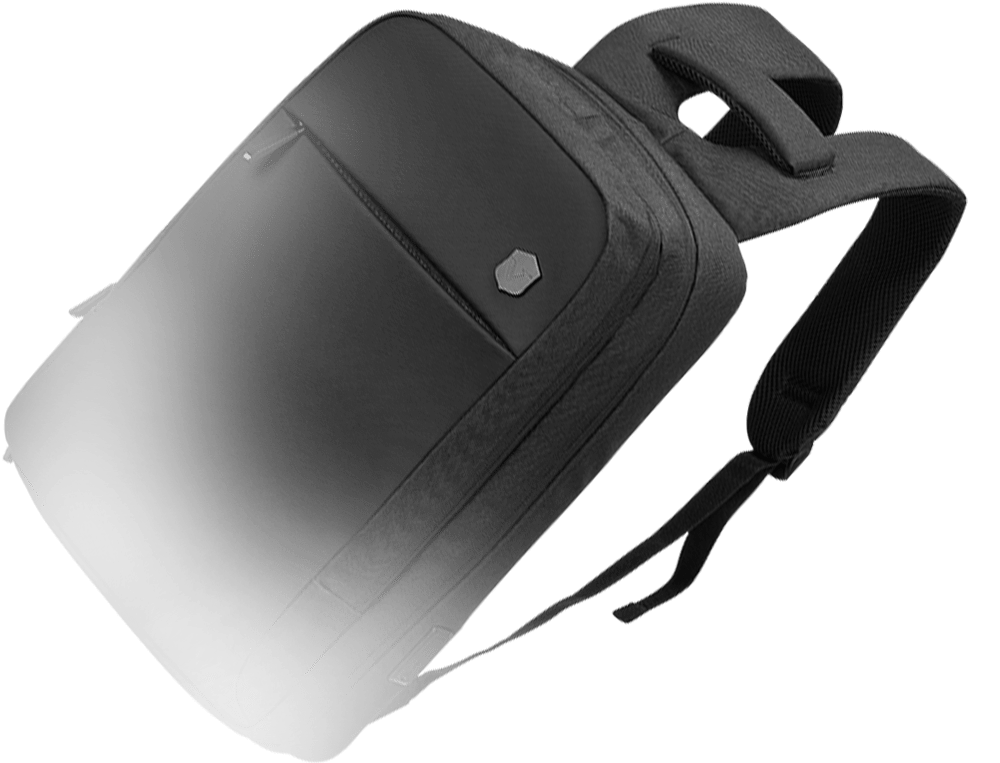
As professionals carry high-value personal devices—such as laptops, tablets, true wireless earbuds, active noise cancelling headphones, and high-capacity power banks—luggage must evolve into a functional tech hub. Modern trolley backpacks increasingly feature integrated cable routing ports, anti-theft smart locks, TSA-compliant quick-scan compartments, and embedded power-bank pockets that connect to external charging interfaces. Volkano’s dual expertise in consumer electronics and soft-goods luggage design provides a unique advantage in creating seamlessly integrated tech bags.
3. Ergonomic Standards & Health Regulation Compliance
Educational institutions and healthcare associations worldwide are issuing stricter guidelines regarding heavy schoolbags carried by adolescents and young adults. As a result, demand for certified ergonomic wheeled backpacks is experiencing double-digit annual growth. Future designs emphasize lightweight internal frames, shock-absorbing spring-loaded handles, and lumbar support panels that reduce spinal compression during long commutes.
4. Modular Hybrid Travel Systems
The rise of remote and hybrid work models has blurred the lines between daily business commuting and weekend travel. Modern consumers seek single-bag solutions that adapt dynamically to varying luggage needs. Future trolley backpack iterations feature detachable daypacks, expandable main compartments, and modular compression sleeves that allow users to scale their pack capacity from 20 to 40 liters effortlessly.