Active Noise Cancelling Bluetooth Headphones can make a crowded commute feel calmer, but the right pair depends on more than how quiet it sounds in a shop. Low engine rumble may fade, while nearby voices and sudden noises can remain audible. That is normal. Noise cancellation is not a substitute for awareness, especially near traffic or announcements.
Choosing well means matching features to daily habits. Think about where you listen, how long you wear headphones, and whether you take calls in busy places. A snug fit can improve comfort and help passive isolation, yet tight ear cups may feel tiring after an hour. Battery life matters on long trips, while Bluetooth stability and simple controls matter when you are carrying a bag or moving between devices. Small details add up.
This guide explores seven practical points: noise-cancelling performance, fit, sound quality, battery life, call clarity, connectivity, and overall value. Specifications can help, but they do not tell the whole story. Manufacturer ratings may use different test conditions, and personal comfort is difficult to measure on a product page. If possible, try headphones with your usual glasses, phone, and listening volume. There is no perfect choice for everyone. A thoughtful comparison can help you find a pair that suits your routine without paying extra for features you will rarely use.
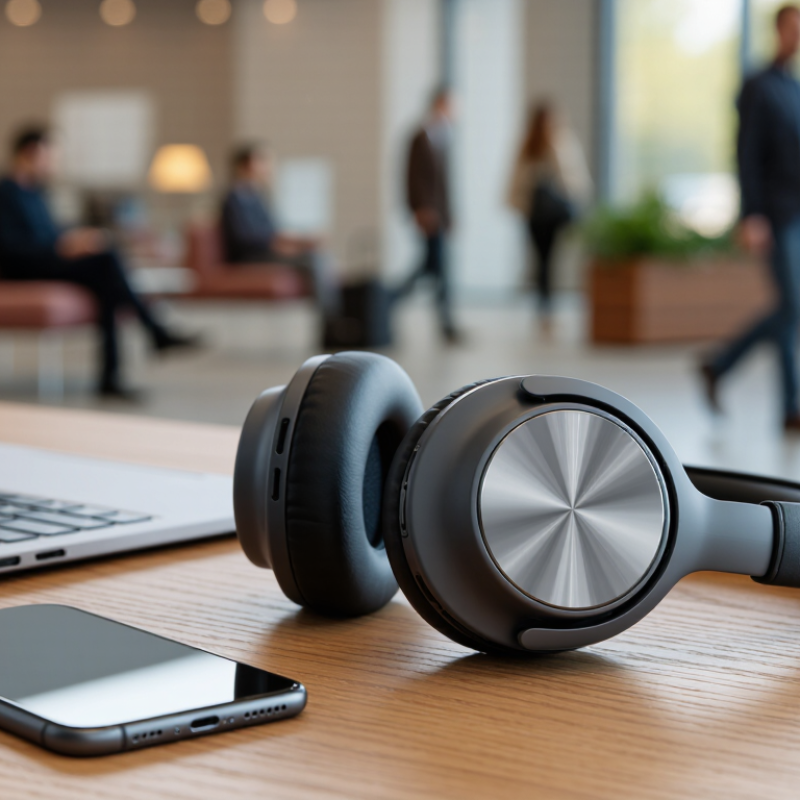
Decide where you will use the headphones most often, not where you imagine using them. On a daily commute, steady bus or train rumble makes noise cancelling useful, while a secure fit helps when you walk between stops. If you travel by plane, check battery life and comfort for long sessions. Cabin noise can make a quiet listening level easier to maintain, but no headphones remove every sound.
For work, consider whether you need a clear microphone, quick access to transparency mode, and controls you can use without interrupting a call. At home, comfort may matter more than maximum noise reduction, especially if you wear headphones for hours. Small detail, big difference. Try to match the features to your routine rather than paying for modes you rarely use. It is easy to assume stronger noise cancelling is always better. Not always. Some people prefer hearing a little of their surroundings, and fit, glasses, or ear shape can affect comfort and performance. If possible, test the headphones in a setting similar to your usual one. A short shop demo may not reveal how they feel after a long meeting or a delayed train ride.
| Tip | Listening situation | Features to prioritize | Practical check | Realistic trade-off |
|---|---|---|---|---|
| 1. Match noise cancellation to your environment | Daily commuting on buses, trains, or busy streets | Effective reduction of steady low-frequency sounds; a transparency mode for hearing announcements and nearby traffic | Try the headphones with music paused and compare the sound of a fan or public-transport recording with ANC on and off. | ANC usually reduces consistent low rumbles more effectively than sudden voices, alarms, or other sharp sounds. |
| 2. Check comfort for long journeys | Flights, long-distance rail, and extended travel | Comfortable ear cushions, a secure but not overly tight fit, foldable or compact construction, and a carrying case | Wear them for at least 20–30 minutes; check for pressure around the ears and whether glasses affect the seal. | Over-ear designs can be comfortable for long sessions but may take up more bag space than compact earbuds. |
| 3. Make calls a priority if you work remotely | Video meetings, calls, and shared workspaces | Clear microphone pickup, reliable Bluetooth connection, physical or easy-to-find mute controls, and multipoint connection if you use two devices | Test a call in a quiet room and in a moderately noisy space; confirm that the microphone sounds clear to the other person. | Microphone noise reduction can improve call clarity, but it may not remove every nearby voice or background sound. |
| 4. Consider the type of noise at home | Studying, reading, or listening in a home with fans or household appliances | Comfortable fit, adjustable ANC, and simple controls for switching between ANC and transparency modes | Check performance against the sounds you actually hear at home rather than relying only on a general ANC rating. | ANC can lower steady appliance hum, but it will not create complete silence or reliably block every household sound. |
| 5. Choose battery life for your longest typical session | Commutes, workdays, or travel without frequent charging | Published battery life with ANC enabled, a battery-status indicator, and USB charging; a wired listening option may be useful | Compare the maker’s stated ANC-on runtime with your expected use and check whether Bluetooth audio works while charging. | Actual battery life varies with volume, ANC settings, calls, and temperature, so it may differ from the advertised figure. |
| 6. Confirm Bluetooth and device compatibility | Switching between a phone, tablet, and computer | Compatibility with your devices, stable wireless performance, straightforward pairing, and multipoint support if needed | Check the headphone specifications and your device settings; test reconnecting after moving out of range and back. | Multipoint and advanced audio features depend on support from both the headphones and the connected devices. |
| 7. Compare sound and controls with ANC on and off | Music, podcasts, and everyday listening in changing environments | Sound you enjoy at a comfortable volume, accessible playback controls, and a transparency mode for brief conversations | Listen to familiar speech and music at a moderate volume in both modes, and check that controls are easy to use without looking. | ANC can change how music is perceived, and personal comfort and sound preferences matter more than any single specification. |
Think about where you will use them most: commuting, travel, work, or home. Match features to that routine. I sometimes overestimate how often I will use extra modes.
It can reduce steady rumble, which may make listening more comfortable. It does not remove every sound. A secure fit also helps when walking between stops.
Check battery life and comfort for long sessions. Cabin noise may let you listen at a quieter level, but comfort still varies from person to person.
Look for a clear microphone, easy-to-reach controls, and transparency mode if you need to hear nearby sounds. Try the controls before a long call.
Not fully. IEC 60268-7:2010 describes headphone measurement methods, including frequency response and sensitivity. Measurements help compare performance, but they cannot show whether a cup presses on your glasses.
Wear the headphones for at least ten minutes. Notice pressure at the crown, warmth around your ears, and whether the seal shifts when you turn your head. A short test is imperfect.
A loose seal can weaken bass and let more room noise through. Adjust the headband and try familiar music at a comfortable level.
The WHO-ITU Global Standard recommends a sound allowance of 80 dB for up to 40 hours per week for adults. Treat this as a reference, not a personal target. Quiet enough matters.
Choosing Active Noise Cancelling Bluetooth Headphones starts with considering how and where you will use them, whether for commuting, travel, work, or relaxing at home. Compare noise reduction across different frequencies rather than relying on one peak attenuation figure, since performance can vary depending on the sounds around you. Comfort and fit matter just as much as measurements: look for a secure, comfortable design and consider relevant headphone measurement standards such as IEC 60268-7.
Before deciding, check which Bluetooth audio codecs the headphones support. If LC3 is important to you, note that it uses frame durations of 7.5 or 10 milliseconds. Compare battery-life estimates specifically with ANC switched on, as this can affect listening time, and consider microphone performance for calls. Balancing these factors can help you choose headphones that suit your everyday needs rather than focusing on a single specification.