A Vintage Vinyl Turntable can transform ordinary listening into a more deliberate home ritual. Instead of tapping a screen, you select a record, inspect its surface, and lower the tonearm carefully. The needle meets the groove with a quiet crackle. Then the room changes.
Michael Fremer, a respected vinyl reviewer and longtime audio authority, has often stated, “Vinyl is not dead.” His observation reflects more than sales figures. It recognizes vinyl’s lasting emotional value and its tactile connection with music. A well-maintained Vintage Vinyl Turntable can deliver warm sound, visible craftsmanship, and a slower listening experience that modern devices rarely encourage. However, nostalgia alone is not enough. Some vintage models need new belts, cartridge alignment, or professional servicing. Their speed may wander. Their wooden cabinets may show scratches. That is part of the truth.
The right turntable should match your room, records, amplifier, and patience. A heavy platter can feel reassuring, but it does not guarantee perfect sound. A beautiful cabinet can hide worn components. I once underestimated setup time and blamed the record for uneven playback. The real problem was a poorly balanced tonearm. Small details matter.
Choosing vintage means accepting character alongside performance. You may hear surface noise. You may need patience. Still, when the music begins and the platter turns steadily, the experience feels personal, physical, and remarkably present. That balance between engineering and imperfection explains why many listeners continue choosing a Vintage Vinyl Turntable for home audio.
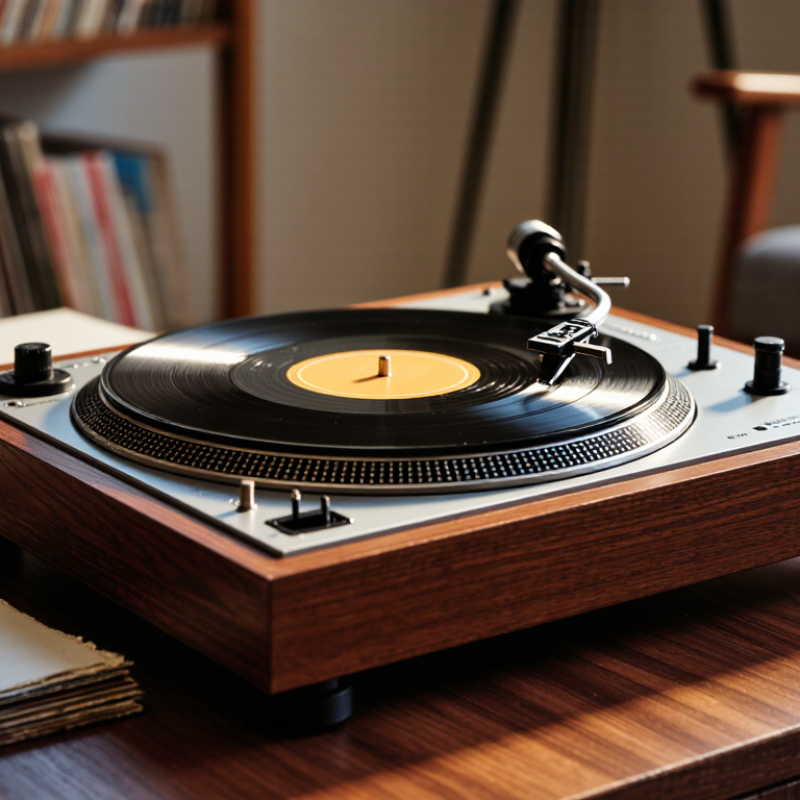
A vintage vinyl turntable feels different because it makes listening a physical activity. You lift the dust cover, place the record, and lower the tonearm by hand. The process takes longer, but it creates attention. In my experience, the soft motor hum and wooden plinth can make a room feel more personal. Small details matter.
The sound also depends on its mechanical design. Many older models use heavy platters, belt drives, and adjustable tonearms. These parts can reduce unwanted vibration when they are clean and correctly balanced. A properly aligned stylus may reveal clear vocals, gentle cymbals, and room ambience. However, age is not proof of quality. A worn stylus can damage records and produce harsh, distorted sound. That needs honest inspection.
Maintenance is part of the experience. Belts stretch, cables oxidize, and speed controls may drift. I have found that a turntable can look beautiful while needing careful calibration. Use a tracking-force gauge, check the platter speed, and keep records free from dust. New listeners may find manual operation inconvenient. I sometimes do, especially when I want background music. Still, the slower routine, visible mechanics, and small imperfections give a vintage vinyl turntable a character that modern convenience often removes.
Why Choose a Vintage Vinyl Turntable for Your Home?
A vintage vinyl turntable creates sound through physical movement, not digital conversion. A stylus follows microscopic grooves cut into a record’s surface. Those movements become electrical signals through the cartridge. The result can feel warm, spacious, and slightly softened at high frequencies. It is not automatically more accurate.
Small imperfections matter.
The Audio Engineering Society’s technical literature identifies harmonic distortion, channel separation, rumble, and speed variation as important turntable measurements. These factors shape the listening experience. A worn stylus may blur cymbals and damage records. Incorrect tracking force can make vocals sound thin or harsh. A properly balanced tonearm usually produces cleaner detail and steadier bass. You can hear the difference beside a quiet amplifier, with a record turning at a stable speed.
The RIAA 2024 Year-End Revenue Report recorded approximately 43.6 million vinyl albums sold in the United States. Vinyl revenue reached about $1.4 billion. These figures show continued demand, but popularity does not prove superior sound. Room acoustics, record condition, cartridge alignment, and speaker placement often matter more than age. A vintage unit may add gentle coloration and tactile pleasure. It may also introduce noise, maintenance needs, and inconsistent speed. My own listening preference sometimes changes after cleaning a record or adjusting the tracking force. That is worth remembering. The distinctive sound comes from the whole playback chain, not nostalgia alone.
| Sound or Design Dimension | How It Works | Typical Technical Data | Why It Matters at Home |
|---|---|---|---|
| Mechanical groove tracking | A stylus follows the physical modulations cut into the record groove and converts movement into an electrical signal. | The groove is approximately 0.04–0.08 mm wide, while the stylus tip is commonly measured in micrometres. | Small setup changes can affect detail, surface noise, and stereo balance, making the listening process engaging and tactile. |
| Playback speed | The platter rotates the record at a controlled speed so musical pitch and timing remain consistent. | Most records use 33⅓ or 45 revolutions per minute; some larger records use 78 rpm. | Correct speed is essential for natural vocals, accurate bass lines, and stable musical timing. |
| Wow and flutter | These terms describe slow and fast variations in rotational speed that can create audible pitch instability. | Well-maintained hi-fi turntables commonly specify wow-and-flutter figures below 0.2% WRMS; lower values indicate more stable rotation. | A stable platter helps piano notes, sustained vocals, and string instruments sound smoother and more focused. |
| Rumble and isolation | Motor vibration and sound from speakers can travel through the plinth, platter, or furniture into the stylus. | Turntable rumble is often specified around −60 dB or lower, although measurement methods vary. | A solid surface, correctly adjusted feet, and sensible speaker placement can reduce low-frequency feedback and background noise. |
| Cartridge output | The cartridge changes stylus movement into a low-level electrical signal that must be amplified and equalized. | Moving-magnet cartridges commonly produce about 3–7 mV; moving-coil designs are often lower, roughly 0.2–0.8 mV. | The phono input or external phono stage must match the cartridge type and provide the required RIAA equalization. |
| RIAA equalization | Records are cut with reduced bass and increased treble, then played back with the reverse curve to restore tonal balance. | The standardized playback curve uses time constants of 3180, 318, and 75 microseconds, approximately corresponding to 50.05 Hz, 500.5 Hz, and 2122 Hz. | A properly matched phono stage prevents thin bass, excessive treble, or an overly quiet signal. |
| Channel separation | Stereo information is stored on the two angled groove walls, allowing the cartridge to reproduce left and right channels. | Many quality cartridges specify channel separation of approximately 20–30 dB at 1 kHz. | Good alignment and a clean stylus help preserve a convincing center image and spacious stereo presentation. |
| Dynamic range and surface noise | Vinyl playback includes musical information and physical noise from dust, scratches, groove wear, and the pressing itself. | A typical clean record may deliver roughly 55–70 dB of usable signal-to-noise performance, depending on mastering, pressing, and equipment. | The gentle noise floor contributes to vinyl’s character, while careful cleaning and correct tracking force improve clarity. |
| Manual interaction | The listener handles the record, places the stylus, selects the playback speed, and turns the record over when needed. | A 12-inch LP typically plays for about 18–25 minutes per side at 33⅓ rpm, depending on groove spacing and recording level. | The slower, physical routine encourages focused listening and gives a room a distinctive vintage visual presence. |
Note: Technical specifications vary by cartridge, tonearm, record condition, pressing quality, and measurement standard. The figures above are representative ranges rather than universal limits.
A vintage vinyl turntable can make ordinary listening feel more intentional. You choose a record, place it carefully, and lower the needle. The soft crackle adds character before the music begins. In my experience, this small ritual encourages slower evenings and fewer distractions from glowing screens. It also creates a natural gathering point when guests browse records beside a wooden cabinet.
The sound can feel warm and spacious, especially with well-maintained records and suitable speakers. However, vinyl is not automatically better than every digital format. Dust, worn grooves, and poor alignment can produce noise or distortion. A level surface, clean stylus, and correct tracking force matter greatly. These details require patience. That may frustrate people who expect instant playback.
Beyond sound, a vintage turntable adds visual personality to a room. Its textured controls, aged finish, and mechanical movement can complement shelves, plants, or soft lighting. Many older units were built with serviceable parts, making careful restoration possible. Still, age does not guarantee quality. Wiring, belts, and internal components should be inspected by a qualified technician before regular use. The best choice balances appearance, condition, repairability, and listening habits. A turntable should invite use, not become another fragile decoration.
A vintage vinyl turntable can add warmth, texture, and a visible ritual to home listening. Yet appearance should not lead the decision. The IFPI Global Music Report 2024 recorded a 14.5% increase in vinyl revenue during 2023. That growth reflects renewed interest, but popularity does not guarantee quality. Before choosing, inspect the motor, platter, tonearm, bearings, and hinges. Uneven rotation can make piano notes sound unstable. A worn stylus may damage records gradually. That risk is easy to overlook.
Tips: Ask for a speed test before buying. Check whether the turntable needs a phono preamp. Examine the cartridge and stylus under bright light. Replacement parts may be difficult to find. A clean wooden cabinet can hide serious mechanical wear. Do not trust photographs alone.
RIAA’s 2023 Year-End Music Industry Revenue Report valued United States vinyl revenue at about $1.4 billion. This supports the format’s commercial strength, not every vintage unit’s reliability. Consider your room, too. Older models may need careful grounding and isolation from speakers. A solid shelf reduces vibration. If the tonearm feels loose, pause. I would rather choose a less attractive deck with documented servicing than a beautiful, untested piece. My assumption that “older means better” has proved too simple. A repair estimate can change the real cost within minutes.
A vintage turntable adds mechanical character to a listening room. Its wood cabinet, visible tonearm, and gentle startup feel more personal than a phone. According to the RIAA 2023 Year-End Music Industry Revenue Report, vinyl generated about $1.4 billion in United States revenue. The report also recorded roughly 43.4 million vinyl units sold. That demand makes careful setup worthwhile, not merely nostalgic.
Place the turntable on a rigid, level surface away from speakers. Even a small tilt can affect tracking. Balance the tonearm before setting the manufacturer’s recommended tracking force. Then adjust anti-skate to a similar value. Align the cartridge carefully, using a printed protractor and bright desk light. Keep the stylus guard fitted during adjustments. Play a clean record first. Listen for distortion, uneven volume, or repeated skipping.
Maintenance is simple but unforgiving. Brush the stylus from back to front after several listening sessions. Clean records with a suitable anti-static brush before playing them. Replace a worn stylus promptly; damaged grooves cannot be repaired. Keep records upright, in sleeves, and away from heat. The Audio Publishers Association is not relevant here, and that is an easy citation mistake to make. Better evidence comes from the RIAA report and established audio-engineering guidance. I still check leveling twice, because almost flat
is not precise enough.
A stylus follows microscopic grooves in the record. Its movement becomes an electrical signal through the cartridge. The result may sound warm, spacious, and gently softened. It is not automatically more accurate.
Harmonic distortion, channel separation, rumble, and speed variation shape the sound. Small mechanical imperfections matter. A stable rotation can improve bass and vocal steadiness. Age alone does not create better sound.
No. Record condition, room acoustics, cartridge alignment, and speakers may matter more than age. Clean records can sound open and detailed. Dust can add clicks and harshness. My preference sometimes changes after cleaning one record.
The listening ritual feels deliberate. You choose a record, place it carefully, and lower the stylus. Soft crackle may add character. It can also encourage slower evenings away from glowing screens.
Use a rigid, level surface away from speakers. Even a slight tilt can affect tracking. A wooden cabinet may look attractive, but stability matters more. Almost flat is not precise enough.
Balance the tonearm before setting the recommended tracking force. Adjust anti-skate to a similar value. Align the cartridge with a printed protractor and bright desk light. Keep the stylus guard fitted. Small errors can produce thin vocals or harsh treble.
Brush the stylus from back to front after several listening sessions. Clean each record with a suitable anti-static brush. Store records upright, inside sleeves, and away from heat. Never use an aggressive sideways motion on the stylus.
Inspect the belt, wiring, stylus, and internal components. A worn stylus can blur cymbals and damage grooves. Listen for distortion, uneven volume, or repeated skipping. Professional inspection may be sensible. I would not trust appearance alone.
A Vintage Vinyl Turntable offers more than a way to play records—it brings a sense of character, craftsmanship, and nostalgia into the home. Unlike many modern digital systems, it uses a physical stylus to trace the grooves of a record, creating a warm, natural sound with subtle details that many listeners find engaging. Its traditional design can also become an attractive part of a room’s décor and encourage a more focused, enjoyable listening experience.
Before choosing a Vintage Vinyl Turntable, consider its condition, compatibility with your audio equipment, available space, and the cost of replacement parts or records. A proper setup is essential: place it on a stable, level surface, balance the tonearm, and connect it carefully to suitable speakers or an amplifier. Regularly cleaning records, protecting the stylus, and keeping the turntable covered will help preserve its performance and extend its life.