
Precision-engineered gear designed for extreme environmental durability, tactical load distribution, and multi-mission modularity.
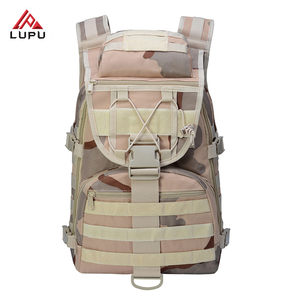
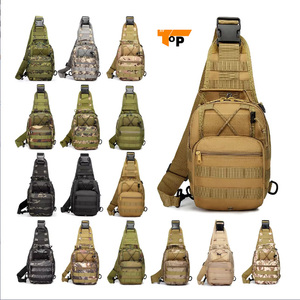
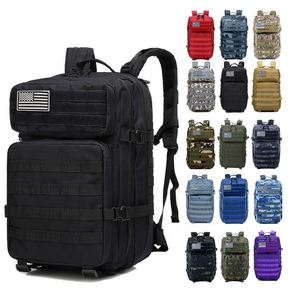
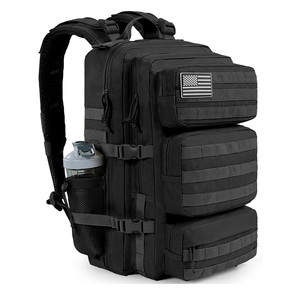
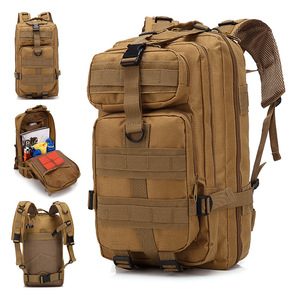
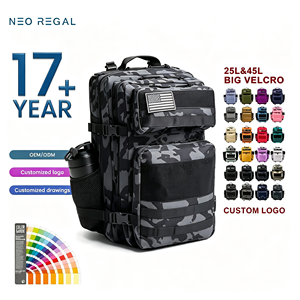
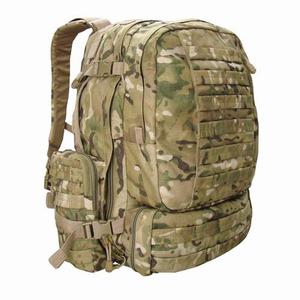
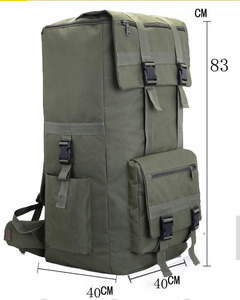
The global tactical backpack market has evolved beyond traditional military supply chains into a lucrative multi-sector industry spanning law enforcement, professional trekking, emergency response, and urban everyday carry (EDC) enthusiasts. Sourcing managers, brand owners, and military procurement teams face growing complexity when evaluating trusted tactical military backpack manufacturers and factories. Achieving the ideal balance between high tensile fabric endurance, ergonomic dynamic load balancing, modular PALS/MOLLE web attachment reliability, and cost-effective batch production requires deep insight into industrial capabilities.
This whitepaper provides an exhaustive technical benchmark designed to assist procurement directors in identifying top-tier OEM/ODM production partners. By assessing raw material specifications (such as high-denier Oxford polymers, Cordura®, and TPU waterproof laminates), stitch density standards (SPI), bar-tacking stress points, and factory-level compliance standards (ISO9001, BSCI, MIL-STD testing), global buyers can effectively mitigate supply chain risk, optimize landed costs, and capture market share.
Founded on a legacy of relentless product innovation and industrial engineering since 2011, our manufacturing infrastructure serves as a benchmark for high-performance gear fabrication. Combining an experienced in-house design studio with advanced automated textile lines, our facilities bridge the gap between consumer ergonomic trends and military-grade durability.
Our dedicated team of textile engineers and industrial designers creates proprietary tactical backpack blueprints, optimizing load distribution frames, ergonomic air-mesh harnesses, and modular pouch attachments.
Every lot undergoes stringent stress testing including Hydrostatic Head liquid resistance tests, Instron tensile yarn strength evaluation, Zipper cycle testing (YKK/UTX), and 25kg drop-impact trials.
We provide versatile OEM/ODM production routes—from high-volume commercial grade 600D/900D Oxford field packs for outdoor retailers to mil-spec 1000D Nylon NIR-compliant packs for tactical gear brands.
With streamlined raw material procurement networks for technical textiles and heavy-duty hardware (Duraflex, UTX, YKK), our factory maintains consistent delivery schedules for large-scale production cycles.
Backing our manufacturing integrity, all export products carry transparent B2B warranty coverage, protecting distributors against manufacturing defects, seam blowouts, and material degradation.
Strategic sourcing requires staying ahead of design evolutions and shifting market demands. Analysis of international military contracts and commercial outdoor procurement reveals four major macroeconomic and structural trends transforming tactical backpack manufacturing:
Traditional PALS (Pouch Attachment Ladder System) relies on heavy nylon webbing stitched onto the pack face. Modern procurement is shifting toward laser-cut composite laminate matrixes. Laser-cutting directly into 500D or 1000D TPU-laminated fabric reduces pack weight by 20% to 30%, eliminates snag risks, creates a sleek low-profile aesthetic, and enhances water-repellency by reducing stitch punctures.
Environmental standards across European and North American procurement directives are mandating eco-friendly materials. Leading factories are introducing GRS-certified (Global Recycled Standard) Recycled Nylon 6.6 and Recycled 900D Polyester. These recycled polymers deliver mechanical tear strength and abrasion resistance comparable to virgin synthetics while fulfilling corporate ESG commitments.
Modern field operators and tech-conscious commuters demand integrated cable management, internal battery bank routing, solar panel connectivity, and Faraday cage Faraday-shielded signal-blocking pockets (protecting RFID, GPS, and keyfob frequencies from electronic eavesdropping and location tracking).
Heavy load handling remains a core design driver. Procurement trends show a preference for internal skeletal frames utilizing lightweight aircraft-grade aluminum stays or flexible polyethylene (HDPE) frame sheets. These components shift up to 70% of pack weight onto the lumbar region, minimizing shoulder fatigue during long operations.
Understanding raw textile engineering is critical for procurement officers evaluating factory samples. Below is an engineering breakdown of essential structural components in modern tactical backpacks:
900D vs 1000D Oxford / Cordura: Denier (D) measures linear mass density. 900D Oxford nylon offers an optimal strength-to-weight balance for tactical outdoor gear, providing high tensile strength with enhanced flexibility. 1000D Cordura provides maximum surface abrasion resistance for extreme combat environments.
PU vs TPU Lamination: Traditional Polyurethane (PU) backing provides water resistance up to 1500mm-3000mm hydrostatic head. Advanced Thermoplastic Polyurethane (TPU) membrane lamination delivers 10,000mm+ waterproof protection, superior cold-crack resistance, and anti-delamination longevity.
Bar-Tack Stitching & SPI: Critical stress points (shoulder strap anchors, grab handles, MOLLE loops) must utilize computer-guided automated bar-tacking (24-28 stitches per bar-tack) with high-tenacity bonded nylon thread (Tex 70 or Tex 90) at 7-9 stitches per inch (SPI).
Before committing to high-volume OEM/ODM contracts, B2B procurement managers should conduct thorough factory audits. Use the operational checklist below to evaluate supplier capability:
Expert answers to common technical, commercial, and manufacturing questions asked by military gear procurement specialists.
Denier (D) refers to the linear mass density of the yarn fiber. 600D Polyester/Nylon is lightweight and cost-effective, ideal for promotional tactical gear or basic civilian daypacks. 900D Oxford nylon offers a superior mid-to-heavyweight balance, delivering exceptional tear resistance and water-repellency with lower total weight. 1000D Nylon provides extreme abrasion resistance designed for rugged military operations. Selecting the ideal fabric depends on your target market, weight restrictions, and unit price targets.
Yes. As a dedicated OEM/ODM manufacturer, we provide comprehensive customization options. This includes custom rubber/PVC molded patch logos, woven brand labels, laser-engraved zipper pulls, custom camouflage printing (MultiCam, Digital Woodland, Desert Camo), specialized Pantone fabric dyeing, and tailor-made interior lining prints. We can also modify internal pocket layouts and frame architecture to match your brand specifications.
Standard B2B production MOQs typically range from 300 to 500 units per colorway for standard stocked fabrics (such as Black, Coyote Brown, Army Green, or Tan). For custom-dyed fabrics, proprietary camouflage prints, or bespoke hardware molds, MOQs usually start at 1,000 units per order. We offer flexible tiered pricing structures to accommodate growing brands as well as established global distributors.
Seam integrity is maintained through multi-layer structural engineering. Shoulder strap attachment points feature internal high-density nylon webbing reinforcement plates, stitched using computer-guided automated X-box or bar-tack patterns with bonded nylon thread (Tex 70+). Additionally, load-bearing seams are double-stitched and bound with internal edge binding tape to resist tensile stress up to 35-50 kg under dynamic drop conditions.
Our Quality Assurance (QA) workflow strictly follows AQL 2.5/4.0 inspection standards. Testing protocol includes: 1) 100% zipper cycle operation inspection, 2) Weight-loaded drop impact tests (drop-testing packs filled to max capacity from 1.5 meters), 3) Hydrostatic head water-resistance testing, 4) Stitch density and bar-tack count checks, and 5) Needle detector screening for consumer safety.
Pre-production sampling and prototype creation generally take 7 to 12 business days upon tech pack approval. Once samples are confirmed and deposit is secured, bulk manufacturing lead time is approximately 30 to 45 days, depending on order volume, material customization, and peak factory seasonal schedules.
We support standard international trade terms including FOB (Free on Board), CIF (Cost, Insurance, and Freight), EXW (Ex Works), and DDP (Delivered Duty Paid). Our logistics team coordinates sea freight container loading, air express shipments, and customs clearing documentation to ensure smooth import operations across North America, Europe, Australia, and the Middle East.
Ready to launch your tactical gear line, expand your military backpack inventory, or upgrade your factory supply chain? Contact our B2B engineering team today for technical specs, product catalogs, and custom OEM quotes.
Contact Us