
Engineered for thermal stability, high UV absorption, and heavy-duty usage across urban and remote Ethiopian terrains.
An authoritative analysis on supply chain logistics, customs tariffs, microgrid convergence, and battery performance under Sub-Saharan environmental stress.
Ethiopia is undergoing one of Africa's most aggressive energy transformations. Under the framework of the national National Electrification Program (NEP 2.0), the Ministry of Water and Energy (MoWE) aims to achieve universal electricity access. While major hydroelectric infrastructure project like the Grand Ethiopian Renaissance Dam (GERD) powers urban industrial parks, over 55% of the national population across rural, pastoralist, and peri-urban sectors remains off-grid or relies on unstable micro-grids plagued by severe load-shedding.
This dynamic has elevated high-capacity, ruggedized solar power banks and portable energy storage stations from lifestyle gadgets to critical infrastructure components. Commercial enterprises, agricultural cooperatives, telecom operators, and international humanitarian NGOs in regions like Tigray, Somali, Afar, and Oromia require decentralized, zero-maintenance power devices capable of absorbing intense solar irradiance while enduring harsh dust storms and thermal spikes.
Ethiopian lowlands experience ambient temperatures exceeding 42°C. Standard Li-ion battery banks degrade rapidly or swell under such heat. Our OEM power banks utilize premium Grade-A LiFePO4 (Lithium Iron Phosphate) and ultra-stable Lithium-Polymer cells fitted with flame-retardant ABS/PC enclosures, guaranteeing over 3,000 charge cycles at elevated operating temperatures.
With average daily solar radiation ranging between 5.5 and 6.5 kWh/m², capturing sunlight efficiently requires high-grade monocrystalline silicon arrays. Integrated Maximum Power Point Tracking (MPPT) micro-controllers boost conversion efficiency up to 23.5%, allowing power banks to charge effectively even during partial morning cloud cover in the highlands.
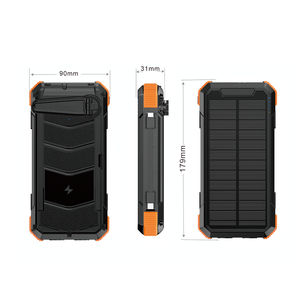
Fine particulate dust during the dry season (Bega) and torrents during the rainy season (Kiremt) pose immense hardware challenges. Our outdoor-grade units feature rubberized silicone corner bumpers, double-sealed port gaskets, and IP67 dustproof/waterproof certifications, ensuring zero ingress across rugged field deployments.
Understanding user intent and localized utility is vital for commercial distributors, B2B procurement officers, and retail brand managers in Addis Ababa, Hawassa, and Dire Dawa. Below are four key deployment scenarios driving demand for solar power storage in Ethiopia:
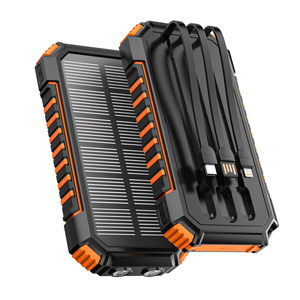
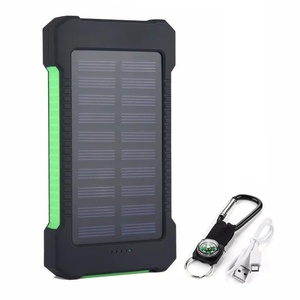
In vast livestock-rearing corridors such as the Somali and Afar regions, mobile pastoralists move far beyond grid boundaries. Compact solar power banks equipped with multi-mode emergency lighting, hand-crank backup generators, and rugged outer casings provide non-negotiable lifelines for mobile phone connectivity and lighting.
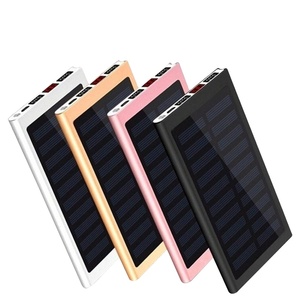
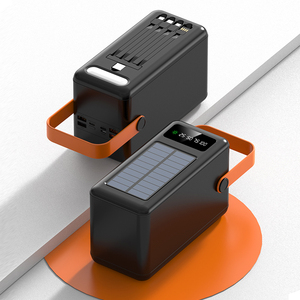
Periodic power outages in urban hubs interrupt everyday commerce. High-capacity 20,000mAh to 200,000mAh power banks with 22.5W to 100W PD (Power Delivery) output allow small business operators, agency professionals, and students to power laptops, point-of-sale terminals, and smartphones uninterrupted.
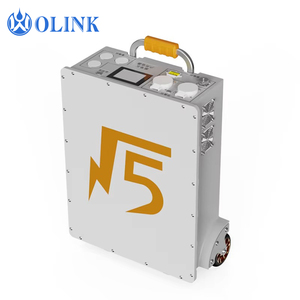
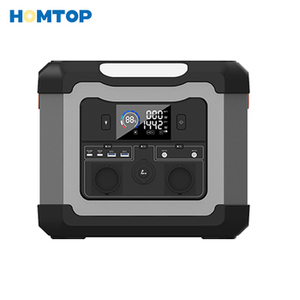
Aid workers, medical officers, and disaster-relief organizations operating in remote field offices demand dependable power stations. High-wattage solar generators (1008Wh–2500Wh) with pure sine wave inverters safely power sensitive medical devices, satellite communication equipment, and field refrigeration systems.
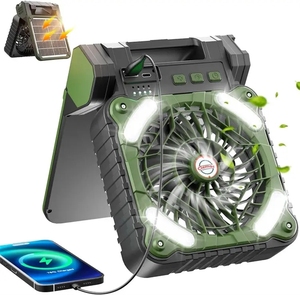
As trekking tourism expands across the Simien Mountains, Bale Mountains National Park, and Danakil Depression, tour operators equip guides and guests with portable, lightweight solar chargers equipped with solar fans and power lamps to ensure field safety and comfort.
Established in 2011, our manufacturing enterprise has evolved from specialized portable audio and power charging electronics into a globally recognized supplier of advanced energy storage systems. When importing solar power banks to Ethiopia, dealing directly with a certified manufacturer eliminates middleman markups and guarantees rigorous quality control.
Answers to critical questions regarding payment terms, Djibouti port transit, customs procedures, and custom battery specifications.
Under Ethiopian Customs Commission regulations, clean energy devices—including solar chargers, standalone solar power stations, and solar lanterns—are granted preferential customs tax exemptions compared to general electronics. By utilizing the correct HS Code (such as 8507.60 for Lithium-ion batteries or 8541.40 for photovoltaic devices), Ethiopian buyers can significantly lower total landed import costs. Our compliance team assists with providing proper Commercial Invoices, Packing Lists, and Certificates of Origin (COO).
Sea freight shipments are dispatched from major ports (Shenzhen/Ningbo) directly to the Port of Djibouti—the primary maritime gateway for Ethiopia. From Djibouti, containerized cargo moves via the Ethio-Djibouti Railway or heavy transport trucks directly to Modjo Dry Port or Kality Customs Terminal in Addis Ababa. We manage all dangerous goods (DG) documentation required for UN38.3 lithium battery ocean transport.
Yes. We offer complete OEM/ODM solutions. We can print your company logo onto the product chassis, design custom retail color packaging, integrate localized user guides in English and Amharic, and customize battery capacities or solar panel wattage to suit your brand’s price points.
LiFePO4 (Lithium Iron Phosphate) offers exceptional thermal stability and safety. In high-ambient heat conditions typical of lowland Ethiopia, standard lithium-cobalt cells degrade rapidly and risk thermal runaway. LiFePO4 withstands temperatures up to 60°C without breaking down and provides over 3,000 to 5,000 charge cycles, compared to just 500 cycles for traditional cells.
We work with established B2B importers, distributors, and NGOs. We support standard international payment channels including Telegraphic Transfer (T/T), as well as Irrevocable Letters of Credit (L/C at sight) opened through reputable commercial banks such as the Commercial Bank of Ethiopia (CBE), subject to preliminary compliance checks.
Our standard MOQ for neutral stock orders starts as low as 100 units. For custom OEM branding, logo laser-etching, and bespoke retail box manufacturing, the MOQ typically ranges between 500 to 1,000 units depending on the specific model and battery capacity.
Ready to scale your retail brand or fulfill government/NGO solar tenders in Ethiopia? Request factory pricing, engineering data sheets, and sample units today.
Send an Inquiry